

Blurred vision can be frustrating, particularly when it starts to affect everyday activities such as reading, driving or using a computer. While blurry vision can sometimes be temporary, persistent or unexplained changes in your eyesight should be assessed by an eye care professional.
There are many possible causes of blurry vision, ranging from common eye conditions to problems that require more specialist investigation.
Cataracts
Cataracts occur when the natural lens inside the eye becomes cloudy. As they develop, vision can become blurred, hazy or less clear. You may also notice increased sensitivity to bright lights, glare or difficulty seeing in low-light conditions.
Cataracts are common as we get older and can often be successfully treated with cataract surgery when they begin to affect daily life.
Dry eyes
Dry eye can also cause intermittent blurred vision. Insufficient tears or poor-quality tears can affect the surface of the eye, leading to discomfort, irritation and fluctuations in vision. HSEH also provides specialist assessment and treatment for dry eye conditions.
Glaucoma
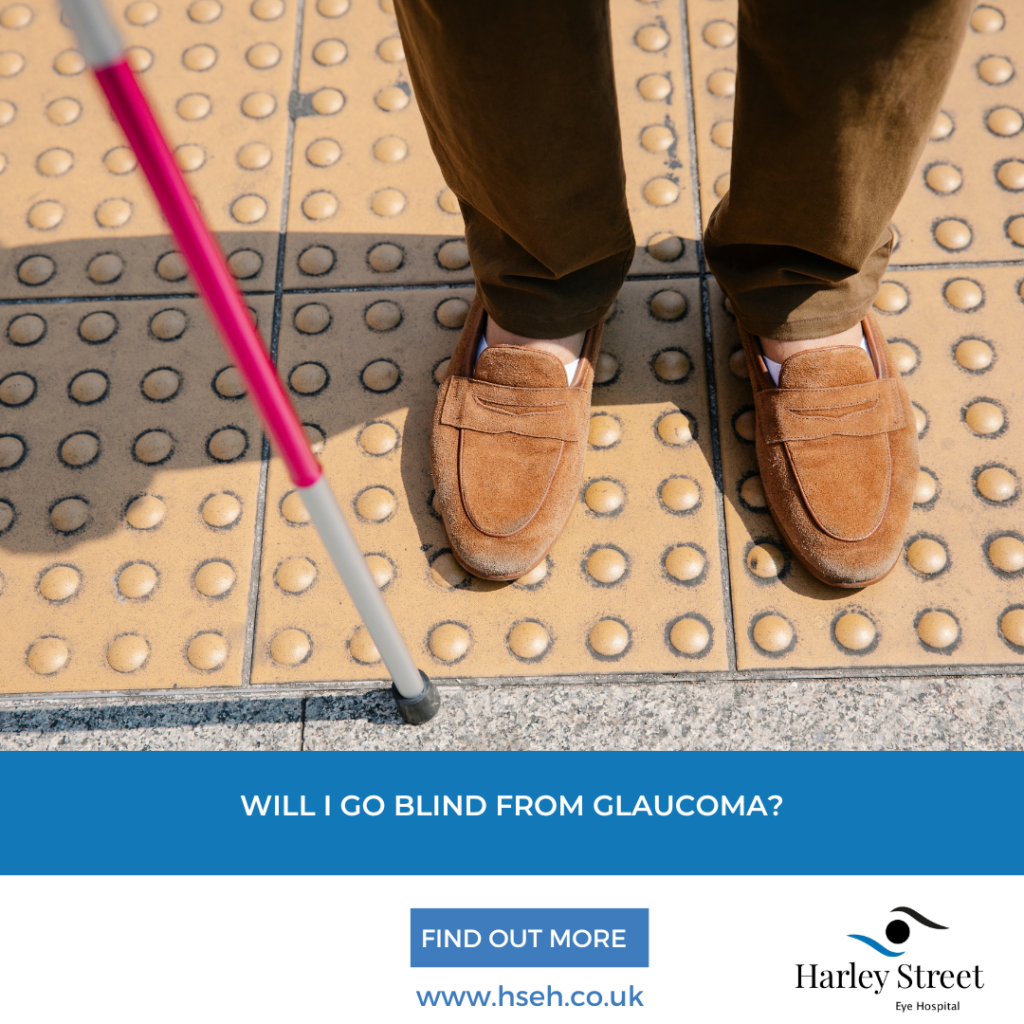
Glaucoma is another condition that can affect vision, although it often develops without noticeable symptoms in its early stages. When symptoms do occur, they can include blurred vision and progressive changes to peripheral vision.
This is one reason regular eye examinations are important, particularly for people who have an increased risk of glaucoma.
When should blurry vision be investigated?
If your vision has gradually become less clear, booking an eye examination can help identify the underlying cause. An ophthalmologist can assess your eyes and determine whether your symptoms are related to cataracts, glaucoma, dry eye, a refractive error or another condition.
However, sudden changes in vision should not be ignored. Sudden blurred or dimmed vision, particularly when accompanied by severe eye pain, redness, halos around lights, headaches or nausea, can require urgent assessment.
Protecting your vision
There is no need to assume that blurry vision is simply part of getting older. A comprehensive eye examination can identify many conditions and help determine whether treatment is required.
At Harley Street Eye Hospital, specialist ophthalmologists assess and treat a wide range of eye conditions, including glaucoma, cataracts, dry eye and retina and macula conditions.
If you have noticed a persistent or unexplained change in your vision, arranging an eye assessment can help establish the cause and ensure you receive appropriate advice.
0 Comments